Date Masamune: The Lord Who Sent a Ship to Rome
Sendai, Zuihoden, and the one building on this route that is actually his
In 1613 a lord in the north of Japan built a European-rigged galleon on his own coast, put a retainer aboard with a letter for the Pope, and sent it across the Pacific.
It reached Acapulco. The retainer, Hasekura Tsunenaga, crossed Mexico, sailed to Spain, was received by the king, went on to Rome and was granted an audience with Paul V in 1615. He got home in 1620, to a country that had spent the seven years of his absence making his religion a capital offence.
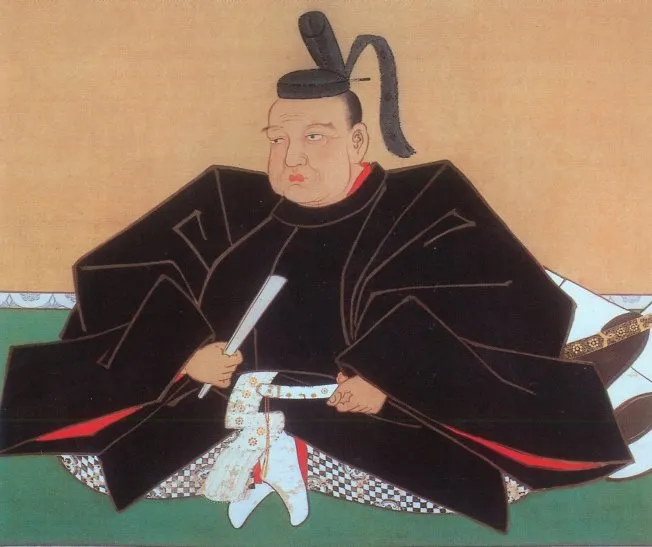
The man who sent him was Date Masamune, and he is the reason Sendai exists.
Part 1 — A castle with no castle
Masamune was born at Yonezawa in 1567, lost the sight of his right eye to smallpox as a child, and by his early twenties had fought his way to control of most of southern Tohoku. Hideyoshi took a good deal of it back off him in 1590. After Sekigahara he was given Sendai, which at that point was a village, and in 1601 he began building the city that is there now.
The castle went on Aoba hill, above the Hirose river, with the mountains behind it and the plain in front.
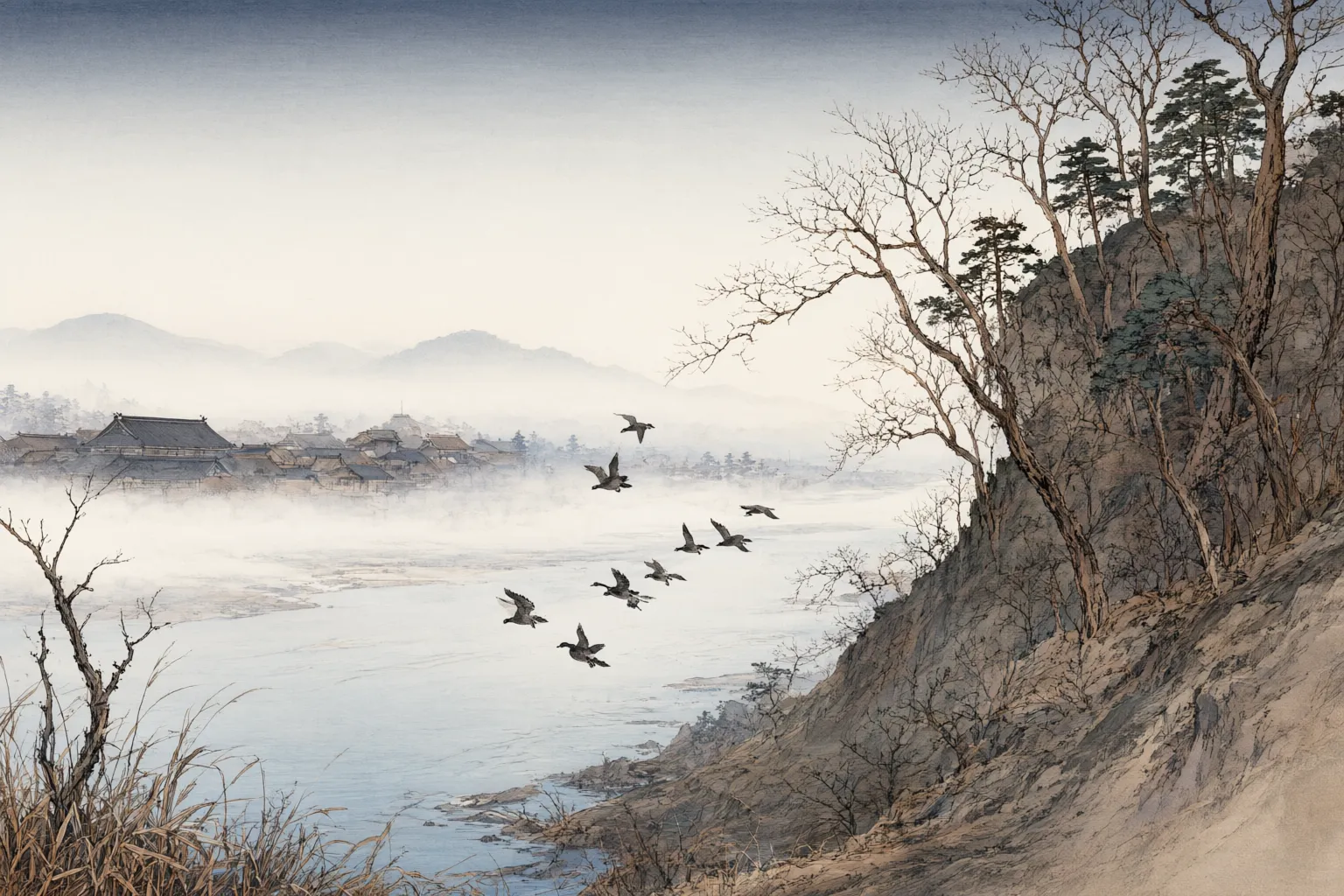

He never built a keep. There is a persistent story that the shogunate would not let him, and a simpler explanation that a man who had just been given a province by a suspicious new government does not build a tower that can be seen from fifty kilometres away. Either way, what stood on the hill was a walled residence, and what is on it now is stone, a view, and a bronze horse.
Sendai Castle Site 仙台城跡
Sendai, miyagi
Stone walls, the hilltop bailey and its view over the city, a reconstructed corner turret, and the equestrian statue of Masamune.
Getting there: On the Loople Sendai loop bus from Sendai Station. The main bailey site is free to enter.
What to know first: There is no keep and there never was one: Masamune did not build a tenshu, and the hilltop is walls, a view and a bronze horse. The statue was badly damaged in the earthquake of March 2022 and spent eight and a half months in a Tokyo workshop having its iron core replaced with stainless; it was back on its plinth in March 2023. Older guides still warn that it is missing.
Part 2 — The one that is actually his
Six years into building his city, Masamune put up a shrine on the western edge of it, using craftsmen he had brought from Kyoto and the lacquer and gold leaf of the Momoyama style at its most confident.
That building is still standing. It survived the fire that took the castle in 1882, the air raids that took most of Sendai in 1945, and the earthquakes in between, and it was designated a National Treasure in 1952.
Osaki Hachimangu Shrine 大崎八幡宮
Sendai, miyagi
The main hall Masamune had built in 1607, black lacquer and gold, a National Treasure and the original rather than a rebuild.
Getting there: On the Loople Sendai loop bus, or a city bus from stands 10 and 15 at Sendai Station's west exit to the Osaki Hachimangu-mae stop. Fifteen minutes on foot from Kunimi on the Senzan line. A working shrine: the grounds are open and free, and there is no ticket for the hall.
What to know first: This is the one Date site in Sendai where the building the lord commissioned is still standing. Zuihoden, which gets the visitors, is not.
This is the part of a Sendai itinerary that visitors routinely skip, because it is out past the baseball ground rather than on the hill with the view. It is also the only place on this route where you are looking at a building Masamune commissioned and his own eyes saw finished.
Part 3 — The mausoleum that burned
He died in 1636, in Edo, aged sixty-nine, and was brought back and buried on a wooded ridge above the Hirose. The hall his son built over the grave the following year was lacquered black and gold in the same manner as the shrine, and it was made a National Treasure in 1931.
It burned on the night of 10 July 1945, with most of the rest of Sendai.
Zuihoden Mausoleum 瑞鳳殿
Sendai, miyagi
Masamune's mausoleum, with the Kansenden and Zennoden nearby for the second and third Date lords, reached by a long flight of steps through cedars.
Getting there: About fifteen minutes from Sendai Station on the Loople Sendai loop bus, then a climb up stone steps through the cedars. Open 9:00 to 16:50 from 1 February to 30 November and 9:00 to 16:20 from 1 December to 31 January, with last entry twenty minutes before closing. 570 yen for adults and university students, 410 for high school, 210 for younger. Closed 31 December.
What to know first: The building is a reconstruction. The 1637 original was a National Treasure and burned in the 1945 firebombing of Sendai; what stands now was finished in 1979 to the pre-war drawings. Guides routinely describe the lacquer as though it were Masamune's own.
What you climb the steps to now was finished in 1979, rebuilt from the pre-war survey drawings and photographs. It is a careful reconstruction and it is beautiful, and it is not the building that was made a National Treasure. Guidebooks are vague about this with remarkable consistency.
Part 4 — Two days, and where to sleep
Aoba hill and Osaki Hachimangu in a morning, Zuihoden in the afternoon, the city museum if you want the armour and the embassy documents. Then half an hour west into the hills.
Check rooms in Akiu for your dates
Part 5 — Fact and legend
Documented, and better than the legend: both eyes. The portrait at the top of this page shows a man with two working eyes, which Masamune did not have. It is painted that way because he left instructions that he was to be depicted whole. The painting is from about 1676, forty years after his death, by Kano Yasunobu, and the convention held: the lord with one eye is almost always shown with two.
Documented, and routinely oversold: the embassy. The ship was real, the voyage was real, the audience with the Pope was real, and diplomatically it achieved nothing at all. No trade agreement came of it. Hasekura returned to a Japan in the middle of suppressing Christianity, and died within two years. What Masamune actually wanted — trade, a Spanish alliance, leverage against Edo, or simply the prestige — is not settled by any document that survives, and anyone who tells you confidently which it was is guessing.
Retold as fact: the shogunate forbade the keep. Common in guides, thin in the record. He may have been forbidden; he may have chosen not to; the two are very hard to tell apart in 1601, and the castle burned in 1882 with whatever would have settled it.
The one people get wrong on the ground: Zuihoden is a rebuild. It says so on the site itself and almost nowhere else. If what you want is a building Masamune knew, the shrine is the answer and the mausoleum is not.
A detour, if you have a third day
He was born at Yonezawa, an hour and a half south-west, in a castle that belongs to a different story now — the Uesugi were moved into it in 1601, the same year Masamune started building Sendai, and they held it until the domains were abolished.
Yonezawa Castle Site and Uesugi Shrine 米沢城跡・上杉神社
Yonezawa, yamagata
The castle site, now occupied by Uesugi Shrine and the Keishoden treasure hall. Date Masamune was born at Yonezawa, which the Uesugi later held as their castle town — one place, two articles.
Getting there: Yonezawa is on the Yamagata Shinkansen.
Before you go
Zuihoden is open 9:00 to 16:50 from February to the end of November, and 9:00 to 16:20 from December through January, with last entry twenty minutes before it shuts. It is 570 yen, and it is closed on 31 December. The Loople Sendai loop bus connects it with the castle site and the shrine, which is what makes the whole thing a comfortable day without a car.
Osaki Hachimangu has no ticket and no closing time in the way a museum does; it is a working shrine. Go in the morning if you want it quiet, and in the second week of January if you want it anything but — the Donto-sai fire festival is one of the largest in the north.
Akiu is about half an hour west of the city by bus or taxi, and the inn that matters there served the Date family and still displays a building it received from Masamune himself. That is a rarer thing than it sounds, and the full guide below says which of the nine inns are bookable in English and what they cost.
Where to Stay: Akiu Onsen
The Sendai lords bathed here, and the inn that served them is still taking bookings. Eight properties available in English, half an hour from Sendai.
Full guide: Akiu Onsen — what to expect, how to get there, and which inns are bookable
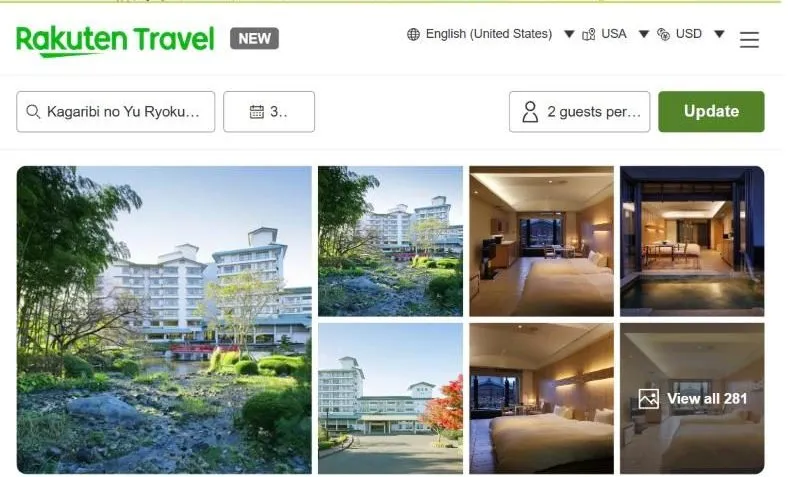 Kagaribi no Yu Ryokusuiteifrom $164
The value pick. Breakfast included, a strong score across 126 reviews, and about a third of what Sakan costs. You still need a car.
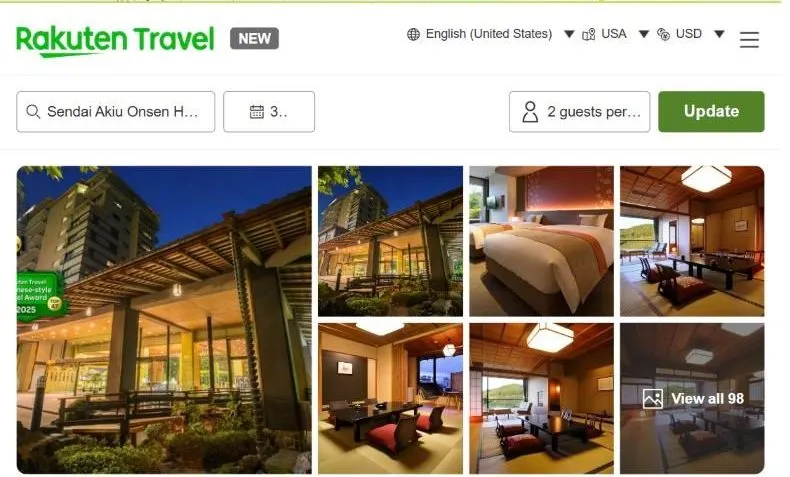 Sendai Akiu Onsen Hotel Zuihofrom $293
The safe large-hotel choice, and the best-evidenced score in the valley — 4.4 across 437 reviews. Buffet dinner and breakfast, which suits a family or a first visit better than a formal kaiseki.
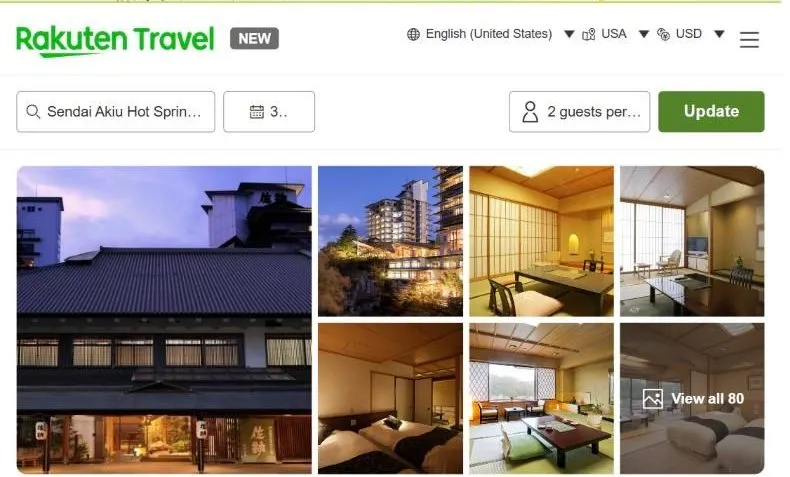 Sendai Akiu Hot Spring Hotel Sakanfrom $378
The one with the history, and the only inn here you can reach without a car — a hotel shuttle runs from Sendai Station. Dinner and breakfast included.
佐勘. The Date family bathing villa; the main house received from Masamune survives as an exhibition room.
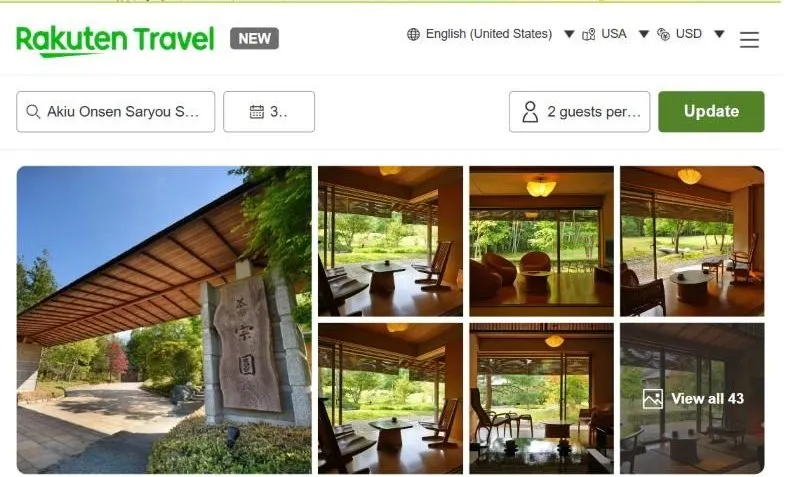 Saryou Souenfrom $631
The splurge. The 4.8 is the highest in Akiu but rests on only eight reviews, so treat it as promising rather than proven.
Inn images are screenshots of each inn's own page on Rakuten Travel, captured 2026-10-26. The photographs in them belong to the inns; pages and prices change.
The other 5 inns in Akiu Onsen
Prices are the lowest seen for two people, one night, on 2027-03-12, checked 2026-10-26. They move with the date — treat them as a rough floor, not a quote. Japanese inns are listed under romanised names that often differ from the signs outside them, so these link straight to the inn rather than to a search. What the booking page looks like.
See what is available in Akiu Onsen
9 inns were bookable in English on the date checked. Availability shifts: a check four months earlier returned a partly different list, so this is what was open then rather than a fixed roster. Availability moves quickly at smaller inns, and weekends book out first.