The Uesugi: A Domain Cut Twice
Yonezawa, the mausoleum, and the lords who would not dismiss anyone
In 1601 the Uesugi were assessed at 1,200,000 koku of rice. Within a year they were at 300,000. In 1664 they were cut again, to 150,000.
They did not reduce the number of people they were feeding.
That decision — taken twice, and held for two and a half centuries — is the whole story of Yonezawa, and it is why a small city in the Yamagata snow has a samurai district, a weaving industry and a reputation for austerity that it has never entirely lost.
Part 1 — The man in the middle of the tombs
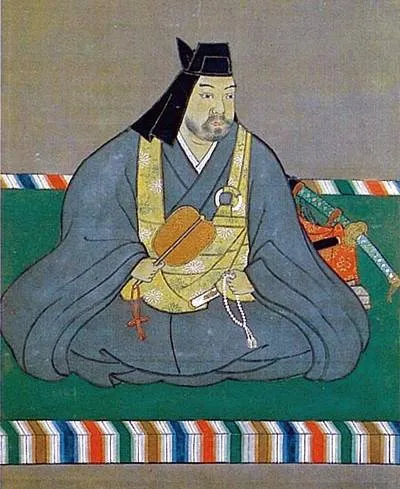
Uesugi Kenshin, above, never set foot in Yonezawa. He ruled Echigo, on the Japan Sea coast, fought Takeda Shingen to a standstill five times at Kawanakajima, and died in 1578 in a province two ranges away from where his body now lies.
He is in Yonezawa because his house kept moving and took him with it. The remains went from Echigo to Aizu when the Uesugi were transferred there, and from Aizu to Yonezawa when they were cut down and moved again. He sits in the centre of the mausoleum with six generations ranged down one side and six down the other, which is a seating plan rather than a graveyard.
Uesugi Clan Mausoleum 上杉家廟所
Yonezawa, yamagata
The mausoleum of the Uesugi lords, a nationally designated historic site: twelve roofed tombs in two facing ranks under cedars, with Kenshin in the centre and the generations who followed him ranged either side.
Getting there: About twenty minutes from Yonezawa Station on the city loop bus to the Gobyosho-nishiguchi stop, or a short taxi ride. 200 yen for adults, less for students.
Part 2 — The arithmetic
The first cut was punishment. Uesugi Kagekatsu had opposed Ieyasu in 1600; afterwards the domain went from eight provinces’ worth of income to one district’s, and the house moved to Yonezawa with — this is the part that matters — most of its retainers still on the books.
The second cut was bureaucratic. In 1664 the third lord died without naming an heir, the house came within an inch of being abolished outright, and the price of being allowed to continue was half of what remained.
So: a samurai population sized for 1,200,000 koku, supported on 150,000. The answer was that the samurai farmed, and wove, and made lacquer and paper, which is why Yonezawa has a textile industry and why its castle town never looked like Sendai’s.
Yonezawa Castle Site and Uesugi Shrine 米沢城跡・上杉神社
Yonezawa, yamagata
The castle site, now occupied by Uesugi Shrine and the Keishoden treasure hall. Date Masamune was born at Yonezawa, which the Uesugi later held as their castle town — one place, two articles.
Getting there: Yonezawa is on the Yamagata Shinkansen.
Keishoden Treasure House 稽照殿
Yonezawa, yamagata
The Uesugi treasure house: armour, swords, documents and Kenshin's own effects, over a hundred of them nationally designated.
Getting there: In the Uesugi Shrine precinct on the Yonezawa Castle site, about five minutes by taxi from Yonezawa Station. Open 9:30 to 16:00, last admission 15:45; 700 yen for adults, 400 for students.
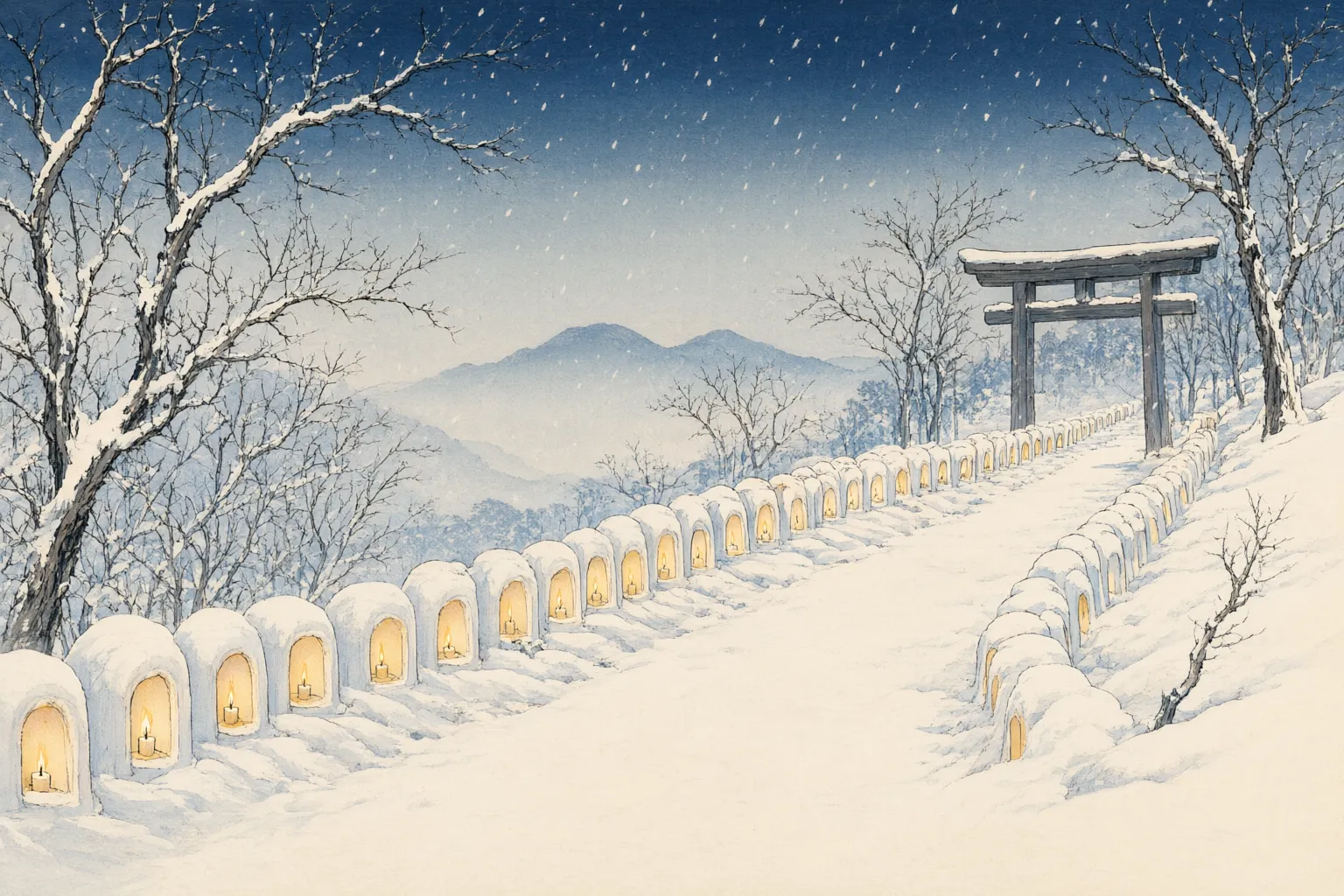
What to know first: It is shut for the winter: the season runs from the middle of March to 25 November, with one exception — it opens for the Uesugi Yukidoro snow lantern festival on the second weekend of February. It also closes on the second Wednesday of most months. The shrine around it stays open all year, which is how people get caught. The displays are not permanent either, so what is actually on the walls changes through the season.


Part 3 — Yozan
The ninth lord, Uesugi Yozan, was adopted in from a small domain in Kyushu at the age of ten and inherited a bankruptcy. What he did about it is the reason anyone outside Yamagata has heard of Yonezawa: personal austerity to the point of absurdity, state-sponsored planting of lacquer and mulberry and paper trees, a school, and a refusal to solve the problem the easy way by cutting the retainer roll.
He is the closest thing Japanese administrative history has to a folk hero, and the town is still arranged around his decisions.
Check rooms in Onogawa for your dates
Part 4 — Fact and legend
Retold, constantly, and almost impossible to source: Kennedy’s answer. Ask anyone in Yonezawa and you will hear that John F. Kennedy, asked which Japanese politician he most admired, named Uesugi Yozan. It is in the town’s own material. What nobody produces is the press conference, the date or the transcript. It may have been said in conversation and reported second-hand; it may not. Treat it as a thing Yonezawa believes rather than a thing Kennedy is recorded as saying.
Retold, and much older: the salt. The story that Kenshin, hearing his enemy Takeda Shingen had been cut off from salt supplies, sent him salt — “I fight with swords, not with rice and salt” — is the most quoted anecdote about either man. It appears in later chronicles rather than in contemporary documents. Something about the salt trade through Echigo probably lies underneath it. The noble speech is almost certainly a writer’s.
Documented, and odd enough to be worth the trip: the tombs are a committee. Twelve mausolea in two facing ranks, alternating left and right in order of succession, with Kenshin in the middle. It is the clearest physical statement of how this house thought about itself that survives anywhere.
Documented: the retainers stayed. This is the claim the article rests on and it is not a legend. The domain’s problem for two centuries was that it was carrying a samurai class several times larger than its income justified, and every surviving account of Yonezawa’s poverty traces back to that.
A detour, if you are coming from the west
Kawanakajima, where Kenshin and Shingen fought five times across twelve years, is in Nagano — a long way from Yonezawa and on the way to nothing else here. It belongs to this story and to the Takeda one equally.
Kawanakajima Battlefield (Hachimanbara) 川中島古戦場 八幡原
Nagano, nagano
The Hachimanbara historical park, the conventional site of the clashes between the Takeda and the Uesugi.
Getting there: Bus from Nagano Station.
Before you go
Keishoden closes for the winter. The treasure hall runs from the middle of March to 25 November, 9:30 to 16:00 with last admission at 15:45, 700 yen, and it shuts on the second Wednesday of most months. The one winter exception is the Uesugi Yukidoro festival on the second weekend of February, when the hall opens and the shrine approach fills with snow lanterns — which is the single best time to be in this town and also the coldest.
The mausoleum is 200 yen and about twenty minutes from the station on the city loop bus. The shrine and the castle site are free and open.
Onogawa, where this route ends, is fifteen minutes by car from Nishi-Yonezawa and there is no walkable option: all six inns are out in the village. Arrange a taxi or ask the inn about a pickup when you book, because the bus service is not built for visitors.
Where to Stay: Onogawa Onsen
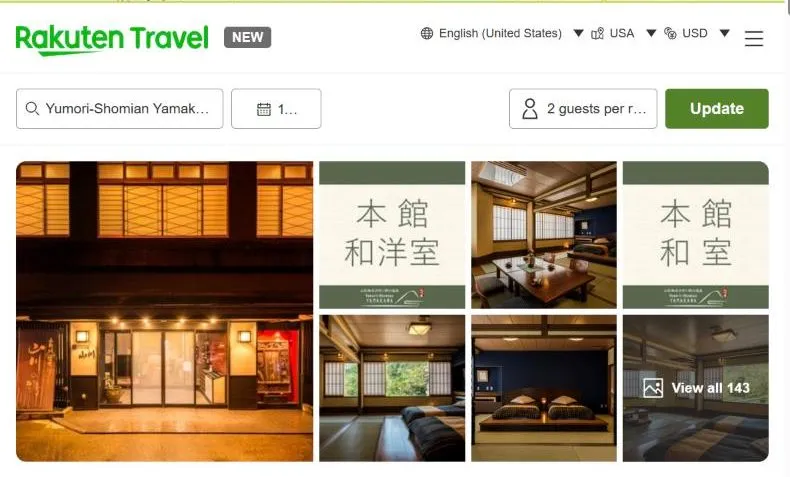 Yumori-Shomian Yamakawafrom $107
The value pick and the best-evidenced score in the village — 4.1 across sixty-one reviews, where the others rest on a dozen or two. The cheapest way into a proper ryokan here by some distance.
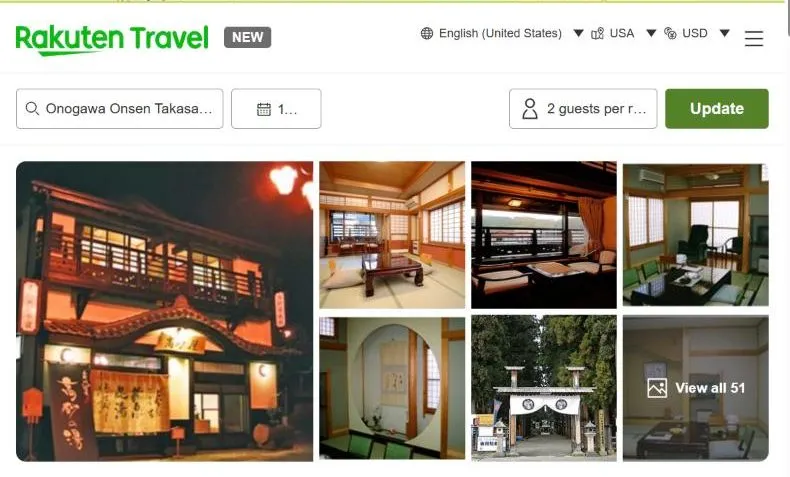 Takasagoyafrom $212
The highest score in Onogawa, 4.6 from nineteen reviews, and the one to book if the bath is the point of the night rather than the bed.
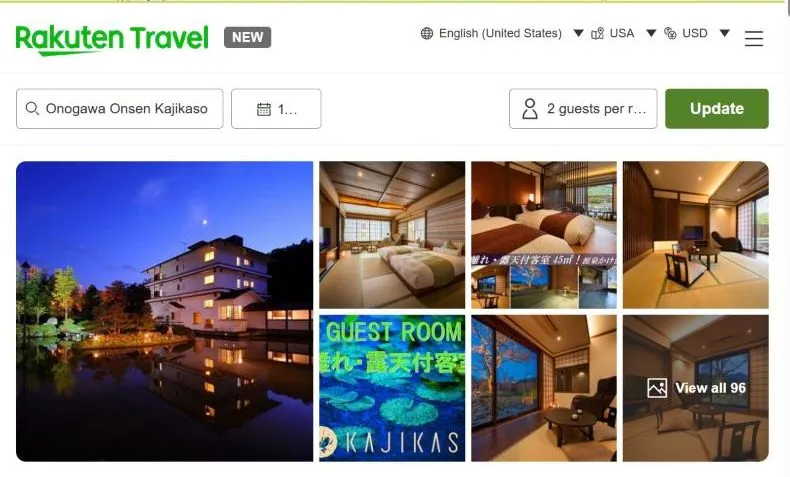 Kajikasofrom $214
The other end of the village and the other kind of evening: a small riverside inn whose name means the house of the singing frogs. Fourteen reviews at 4.3, so promising rather than proven.
Inn images are screenshots of each inn's own page on Rakuten Travel, captured 2026-10-27. The photographs in them belong to the inns; pages and prices change.
The other 3 inns in Onogawa Onsen
Prices are the lowest seen for two people, one night, on 2026-12-11, checked 2026-10-26. They move with the date — treat them as a rough floor, not a quote. Japanese inns are listed under romanised names that often differ from the signs outside them, so these link straight to the inn rather than to a search. What the booking page looks like.
See what is available in Onogawa Onsen
6 inns were bookable in English on the date checked. Availability shifts: a check four months earlier returned a partly different list, so this is what was open then rather than a fixed roster. Availability moves quickly at smaller inns, and weekends book out first.